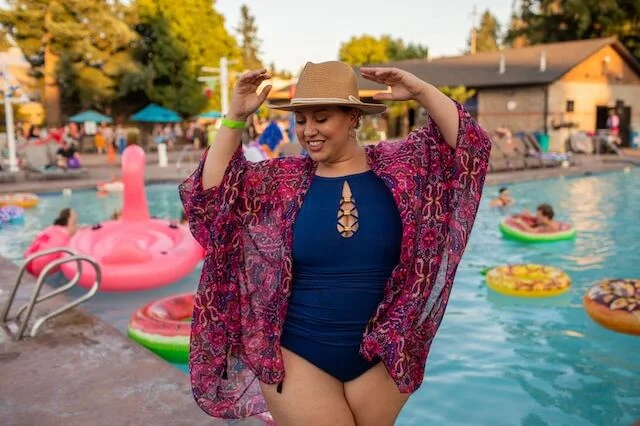
Plus-size dating does not call for a special set of tricks. If you are interested in a plus-size woman, get to know her interests, humour and expectations as you would anyone else. Her size does not tell you whether she is shy, confident, interested in casual dating or looking for commitment.
This guide focuses on how to start a conversation and plan a date without turning someone’s body into the whole subject. It is also for anyone who wants firmer boundaries around how a date talks about their appearance.
FIND PEOPLE NEAR YOU
Use the words the person is comfortable with
You may see “BBW”, short for “big beautiful woman”, on dating profiles or specialist sites. Some people use that label themselves; others prefer “plus-size”, “curvy”, “fat” or no description of their size at all. Do not assume a search term is a welcome nickname.
Use her name. If body-related language comes up, listen to the terms she chooses and respect any request not to use a particular word. There is no need to turn an introduction into a discussion of labels.
Write an opener about something you can share
A message about an interest gives the conversation somewhere to go: “You mentioned live comedy. Seen a good show recently?” is easier to respond to than a declaration about your preferred body type.
A compliment can be simple and specific without becoming an assessment. “I like your style” does not need to be followed by a comparison with thinner women. Avoid “You’re pretty for a big girl”, comments about what you would change, or explanations that dating her is a brave new experience for you.
If you are looking for casual dates, say that directly when discussing intentions. Attraction is not permission to send sexual messages or request intimate photos. Let any change in tone be something you both welcome. Our messaging guide has more examples of starting a conversation.
Choose the date together
Offer a plan based on what you have discussed: a café, a gallery, a meal or an activity you both enjoy. Ask whether the venue and timing work. Do not assume someone dislikes walking, loves food or needs you to organise a fitness activity because of her size.
Comfort is a practical detail you can check with any date. If either of you has a seating or access preference, look at the venue’s information or ask it directly. “Would you prefer a table rather than the bar?” is a useful question when choosing seats; publicly speculating about whether someone will fit is not.
Agree a budget without making a show of paying. Let each person choose what to eat and drink, and keep diet advice out of the conversation unless it is genuinely invited. A date is not an appointment to assess someone’s health.
If a comment makes you uncomfortable, you can say so
You might say, “I’m not looking for comments about my weight”, or “I’d like us to talk about something other than my body”. If the person listens and changes course, you can decide whether to continue. If they dismiss your boundary or repeat the behaviour, you can leave or end the conversation.
In her first-person guide to plus-size dating, writer Stephanie Yeboah discusses rejecting unwanted body criticism and noticing when attention focuses only on size. Her account is one person’s experience, not a claim that every plus-size woman feels the same.
You also do not owe additional photos, measurements or an explanation of your body to someone who demands them. Use recent, accurate profile photos you are comfortable sharing, and protect identifying or intimate details.
FIND PEOPLE NEAR YOU
Make room for the connection you both want
Talk about the person and the arrangement, not a category of women. If you want casual dating without exclusivity, discuss that. If either person wants more commitment, be honest about whether your expectations fit. Body size does not make someone more available or less entitled to boundaries.
Shag is a site for dating without commitment, not a specialist plus-size matchmaking service. Do not assume it guarantees particular matches or safety. Choose public first meetings, keep your own way home and continue only when the interest is mutual. For expectations beyond the first date, see our guide to casual dating boundaries.